

Organic Waste in Australia
By Matt Culic, 05 March 2026, VIC
Reading Time: 3mins read
Rollout to System Performance
Food Organics and Garden Organics (FOGO) continues to gain momentum across Australia.
The recent $3 million investment by the Government of Western Australia to support local councils in progressing three-bin FOGO systems signals ongoing policy commitment to organics recovery.
However, as implementation expands, the sector conversation is evolving.
The next challenge is not rollout.
It is system performance.
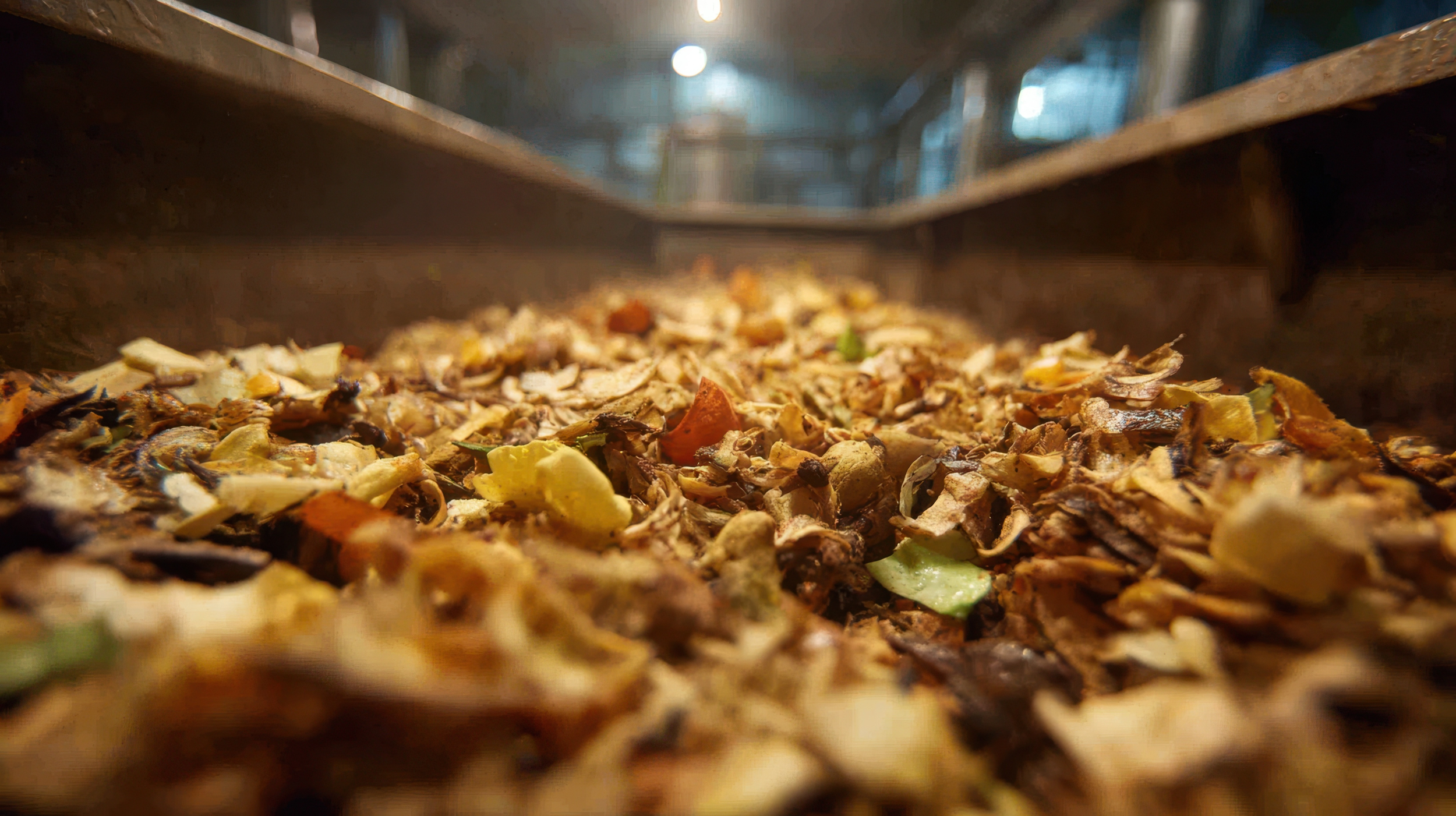
FOGO Is More Than Waste Collection
FOGO should be understood as circular economy infrastructure.
It connects:
• Households and community behaviour
• Collection systems and contamination control
• Processing facilities and infrastructure capacity
• Agriculture and land rehabilitation
• Carbon reduction and climate objectives
• End markets for compost and recovered organics
When aligned, these elements deliver value far beyond landfill diversion.
The Strategic Questions Facing the Sector
As investment grows nationally, several structural challenges remain:
1. Contamination & Behaviour Design
Reducing contamination is not simply an education issue. It requires behavioural insights, system design, and consistent policy signals.
2. Processing Capacity & Infrastructure Resilience
Are current facilities capable of handling increased organics volumes at scale?
What contingency planning exists for market or operational disruptions?
3. Market Development for Recovered Organics
Stable end markets are essential. Without strong demand from agriculture, landscaping, and land rehabilitation sectors, material recovery loses economic viability.
4. Measuring Performance Beyond Diversion
Diversion rates alone do not demonstrate circular success.
Metrics should also consider:
Carbon outcomes
Soil health impacts
Economic return
System resilience
The Shift: From Implementation to Optimisation
Australia is entering the second phase of FOGO development.
Phase one focused on rollout.
Phase two requires:
• Integration across the value chain
• Data-driven performance evaluation
• Market confidence and long-term investment certainty
• Cross-sector collaboration
This is where circular economy strategy becomes essential.
The Role of Strategic Coordination
Effective FOGO systems depend on alignment between:
• State policy frameworks
• Local government operations
• Infrastructure providers
• Commercial waste operators
• Agricultural end users
Without this coordination, system inefficiencies and market instability can emerge.
Moving Forward
As organics recovery becomes embedded within Australia’s broader circular economy agenda, the focus must shift toward:
• Resilience
• Market maturity
• Performance transparency
• Long-term value creation
For organisations reviewing their organics, waste or circular economy strategy, this is a critical moment to reassess system alignment.
Circular Futures Group contributes to sector discussions across organics strategy, infrastructure planning, market pathway development and performance evaluation.
FOGO is no longer simply a compliance requirement.
It is a structural component of Australia’s circular economy transition.
Partner with Circular Futures
Partner with Circular Futures Group to develop smarter sustainability strategies for your organisation.
Explore how our circular economy consulting services can help your business close the loop and thrive in a resource-conscious future.

Partner With Us for Smarter Waste Management
Get in touch today to discover how Circular Futures Group can help you build a cleaner, safer, and more circular future.